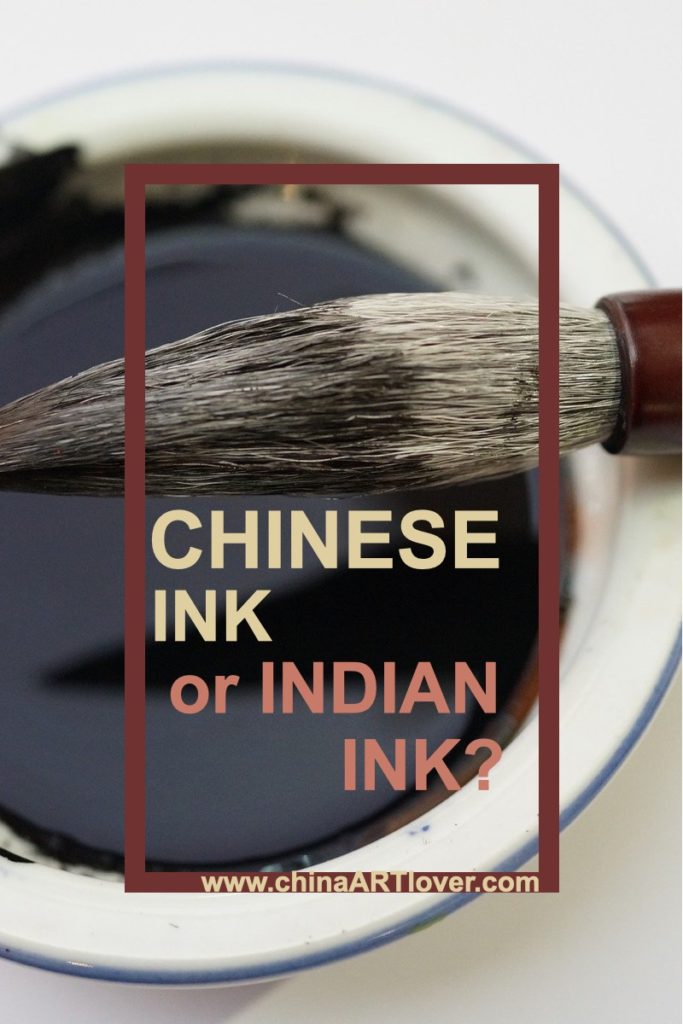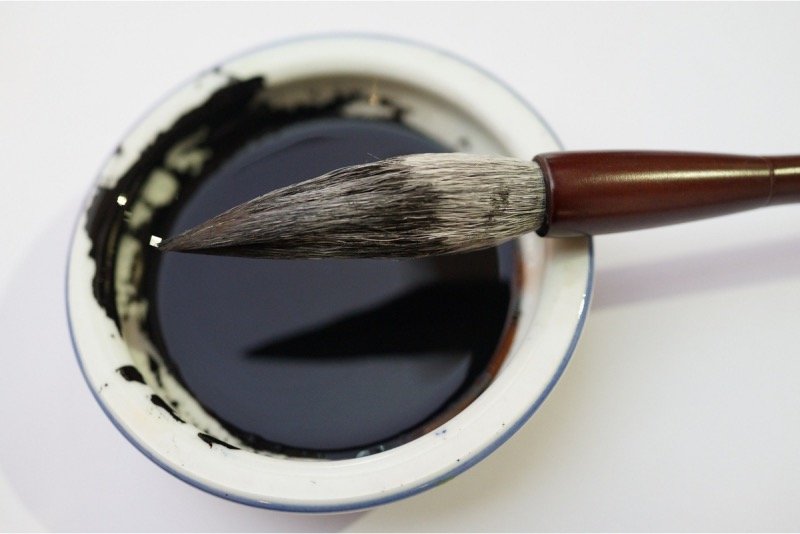
“China ink” and “India ink” describe the same black carbon-based ink, historically traded between China and India, which is why English uses both names. It comes in two forms: solid ink sticks, ground on an inkstone with water for calligraphy and ink wash painting, and ready-mixed liquid ink, more common for drawing, comics, and technical work. The two names reflect trade history rather than two genuinely different products.
Everything About China Ink
From the olden days to modern times, the ink has continued to be a valuable medium for painting and calligraphy to artists all over the world. Ink holds a prestigious position in Chinese culture specifically, having been used to document important papers and reports in both government and academia for years. It was also necessary for a scholar to learn about the proper use of China ink when concerned with subjects of literature and philosophy during the olden days.
Chinese ink or Indian ink is inarguably the most recognized form of ink substance, even in modern times. It is still used to draw comic strips or color blackened areas in paintings done by contemporary artists. Many use this ink with pens such as fountain pens, calligraphy pens, and technical pens.
Essentially, Chinese ink or Black Indian ink is made out of an inkstone that is crushed to form a pigmented powder. This powder is later bound in gum with a special binding solution and mixed with water. However, there is still popular debate regarding the differences between Chinese ink and Black Indian ink and the answer to this debate lies within the history of their origin.
A Lookback into the History of Ink
During the 2nd millennium BC, people began recording important details of their lives and the monarchies in papers with soot and charred ink. Because this was mostly in powder format, the ink remained temporarily on the paper before disappearing.
It was only at the very end of the Warring States period that scholars had mixed charcoal soot with animal glue to create a stronger ink form. This ink was manually kneaded with stone pestles to form a chalk-like stick called inksticks.
If you are interested in more about Chinese Ink check our artbook page.
These ink sticks were used largely during the 3rd millennium BC in Neolithic China when its production was massively generated. Archaeologists have discovered countless artifacts from the Qin and Warring States periods in which the presence of inksticks was evident. However, what was originally discovered and produced in China received another name in the 4th century BC – India Ink.
From the 4th century onwards, the mercantile economy set in, and trade was largely distributed overseas. Englishmen who traveled to China brought different materials to India and the Chinese inkstone was among these imported materials. Therefore, as Indian scripture began to use these inkstones prevalently, Chinese ink was renamed to Indian ink.
The Indian Ink ‘Masi’
As the inkstone circulated around India, production for the ink material generated locally. Manufacturers used fine soot to mix with water and create a watery ink substance. Some opted to combine binding agents such as gelatine or shellac to increase the ink’s longevity of use. They also developed the ink to be either waterproof or non-waterproof.
This developed form of ink was denoted as ‘Masi’ in India. Writers often dipped sharp needles into the ink while transcribing documents; this practice was later adopted by other regions across India and most antique records from India show the use of this inking method.
How Indian Ink Differs from Chinese Ink
While the ink itself originated in China, the differences in its production method are what make both Indian and Chinese ink different than the other.
For Chinese scholars, the ink was not only important but also fascinating to have. There has been much literature written around the beauty of the ink along with conversations of its technical aspects. Xu Shen, a scholar in the Eastern Han dynasty, wrote how ink was supposed to be black because it’s ‘semantic component is the earth’ and thus, holds an earthly significance.
Soot, animal glue, and sometimes medicinal herbs were used to produce Chinese inkstones. The production process followed with an initial kneading of the combined substances, turning it into a dough. Afterward, the dough was cut and molded before being left to dry. It was critical for manufacturers to have the right measurements while adding each substance to the final mixture and kneading it to a perfect quantity.
On the other hand, Indian ink was produced burning bones, tar, and pitch to create soot. Chinese people preferred to use pine soot for their production of ink. However, during the Song dynasty, concerns for deforestation led to the Chinese people looking for alternative ingredients to pine soot. They soon began using Indian ink and applying their methods of production.
The Superiority of Chinese Ink
Chinese scholars held their writing materials in great reverence and were meticulous in choosing its quality. The production of ink was not only considered a business but also an art, where one had to be careful throughout the entire process or end up ruining the ink completely.
The labor which went into producing Chinese ink is perhaps the main reason why Western ink has never been able to match its quality and composition. Most of the ancient Chinese records that have been discovered contain excellent calligraphic work and design while the ink shows little signs of fading.
To a scholar, their ink was the heart and soul of their work. It allowed the body of their thoughts to manifest in physical scripts which have been read by generations of people. The Chinese ink has been able to survive through 2000 years in time while Western ink has long since weathered away.
It is, therefore, unquestionable that Chinese ink is worthy of its reverential name. Inkstones have been the key facets of Chinese culture for centuries and despite the modern replacements of writing tools, the artistic quality and perseverance of the Chinese ink are still valued heavily. Many museums and collectors continue to display and treasure these olden Chinese inkstones while the ink itself can be found on the shelves of most calligraphers around the world.
Where to Buy Chinese Ink
If you want to try Chinese ink yourself, it comes down to picking a form:
Ink sticks (traditional): Ground fresh on an inkstone, ink sticks give the most control over concentration and are what’s used in fine calligraphy and ink wash painting. Inkston stocks ink sticks from established workshops, including Old Hu Kai Wen.
Liquid ink (convenient): Pre-mixed bottled ink saves the grinding step and is the practical choice for practice or everyday use. Yidege (Yi De Ge) Liquid Ink is one of China’s oldest and most widely used ink brands, in production in Beijing since 1865.
Either form works for calligraphy or ink wash painting; ink sticks are the more traditional and controllable option, liquid ink is the faster starting point for beginners.
China Ink vs. India Ink: Frequently Asked Questions
Yes, in practice they refer to the same black carbon-based ink. The two names come from its trade history between China and India, not from two chemically different products.
Traditionally soot (often pine soot), animal glue, and sometimes medicinal herbs or fragrances, kneaded into a paste and dried into a solid ink stick that is later ground with water on an inkstone.
Ink sticks give more control over concentration and are the traditional choice for calligraphy and ink wash painting. Liquid ink is faster to use and a practical starting point for beginners or everyday practice.
It depends on the formula. Ink made with shellac or similar binders dries waterproof, while some traditional and student-grade inks do not, so check the specific product if waterproofing matters for your work.
Traditional stick or bottled Chinese/India ink is generally not recommended for fountain pens, since pigment particles and shellac can clog the feed. Pens are usually used with dedicated fountain pen inks instead, while brushes are used with traditional Chinese ink.
Sumi ink is the Japanese continuation of the same tradition, made and used the same way. In practice the terms are often used interchangeably, and the same ink sticks or bottled inks work for either.
Further Reading & Sources
Related reading on chinaartlover: More on ink and brush traditions: What is Chinese Ink Wash Painting or Shui Mo Hua?, What is Chinese Modern Calligraphy?, and Famous Chinese Art Collectors to Know
psst… I hope you liked this article about China Ink. If yes give it some social love and pin, like or share. Much appreciated!